Ein Lesebuch mit ausgewählten Dichtungen, Aufsätzen und Vorträgen 1914-1941
Umschlag des neuen Sammelbandes „Bekenntnisse zum Pazifismus“ (Schalom-Bibliothek)
Stefan Zweig: Bekenntnisse zum Pazifismus. Ausgewählte Dichtungen, Aufsätze und Vorträge 1914 – 1941. Herausgegeben von Peter Bürger, in Kooperation mit Frieden wagen e.V. (edition pace : Regal: Pazifisten & Antimilitaristen aus jüdischen Familien, 18). Hamburg: BoD 2026. (ISBN: 978-3-6967-5208-8; Paperback; 404 Seiten; 15,99 Euro). https://buchshop.bod.de/bekenntnisse-zum-pazifismus-stefan-zweig-9783696752088
Stefan Zweig (1881-1942) gehört zu den bedeutendsten deutschsprachigen Erzählern des 20. Jahrhunderts. Ein soeben erschienenes Lesebuch der Schalom-Bibliothek, herausgegeben in Kooperation mit Frieden wagen e.V., erschließt durch einunddreißig Dichtungen, Aufsätze und Vorträge sein Bekenntnis zum Pazifismus:
(Redaktion schalom-bibliothek.org / Text Peter Bürger)
„… ich halte meine Kraft gespannt zum Widerstand gegen die Anforderung, die ich als Verbrechen empfinde: Waffen gegen andere Menschen zu gebrauchen … und betrachte es als eine moralische Pflicht, den Mord zu verweigern.“ (Testament des Gewissens, 28.11.1917)
„Wir sind Defaitisten, das heißt: wir wollen keines Sieg und keines Niederlage, wir sind Siegfeinde und Freunde des Verzichts. Wir sind Defaitisten, das heißt: wir sehen mehr Größe in … der Versöhnung als im Kampf mit verbissenen Zähnen! Wir sind Defaitisten, das heißt: wir lieben den Menschen . . . mehr als die irdischen Gebilde der Staaten. Wir sind Defaitisten, das heißt: wir fühlen keine Schande darin, die Schwächeren zu sein im Krieg und die kürzeren Kanonen zu haben; wir suchen die Gerechtigkeit nicht zwischen den Drahtgewinden und unsere Freude nicht an zerschmetterten Feindesregimentern. Wir sind Defaitisten, das heißt: kein Opfer des Stolzes, des Geldes, der Ehre, der Erde scheint uns vergebens, wenn das heilige Blut von Menschen nicht mehr vergossen und Europa von seiner Qual erlöst wird. … Schreien wir unsere Kriegsfeindschaft mit diesem Wort in die Welt. Seien wir Flaumacher in der eisernen Zeit!“ (Friedens-Warte, Juli 1918)
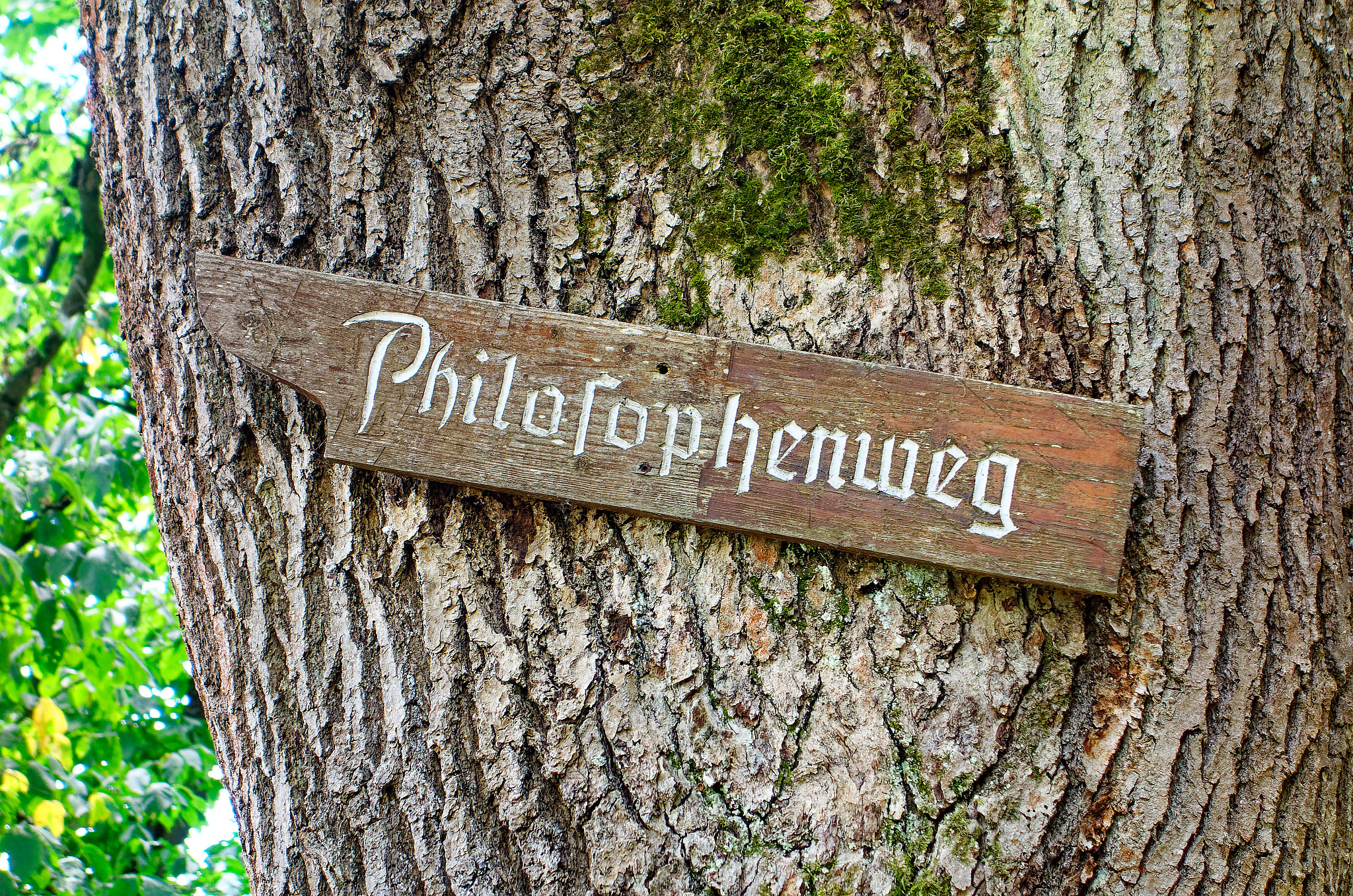
Symbolbild Dichter und Denker: Wer darf diesen Weg beschreiten? (archivfoto: zoom)
Wir Deutschen denken zu wenig. Man nennt uns zwar das Volk der Dichter und Denker, aber mir scheint, dass dieser Ruf mittlerweile Grünspan angesetzt hat. Wir plappern viel nach und posten das dann über soziale Netzwerke in die Welt, obwohl gerade dieses Geplapper oftmals einen höchst unsozialen Charakter hat.
Nachdenken über solche Inhalte lohnt sich eigentlich nicht – vorher zu denken, das wäre sinnvoller und würde sich außerdem lohnen, denn dann könnten Wahlen anders ausgehen und die politischen Verhältnisse im Land wieder stabiler werden.
Zwei Beispiele nur:
– Es gibt Menschen, die Menschen anderer Hautfarbe, Religion oder Sprache gerne aus dem Land scheuchen möchten. Sie propagieren ein Deutschtum, das es tatsächlich gar nicht gibt. Weder unsere Bundesrepublik Deutschland noch die vorherigen drei Deutschen Reiche können und konnten beanspruchen, über ein Land mit natürlichen, festen Grenzen zu verfügen. Grenzen waren immer umkämpft und es ist ein besonderes Glück, seit nunmehr bereits 81 Jahren in Frieden und ohne kriegerische Grenzveränderungen leben zu können. Die Menschen in unserem Land sind tatsächlich nicht alle innerhalb unserer Grenzen geboren worden, doch manche sind trotzdem staatsrechtlich Deutsche. Andere werden Deutsche, wenn sie lange genug hier gelebt, sich angepasst und einen Antrag gestellt haben, um die deutsche Staatsangehörigkeit zu erhalten. Wieder andere leben hier, weil es lebensgefährlich für sie wäre, in ihrem eigentlichen Heimatland zu sein. Und so, wie z.B. in den USA viele Amerikaner Nachfahren von Deutschen sind, die einst dorthin ausgewandert sind, sind auch Menschen aus zahlreichen Nationen aus- und nach Deutschland eingewandert und oft schon seit etlichen Generationen unsere Mitbürgerinnen und Mitbürger.
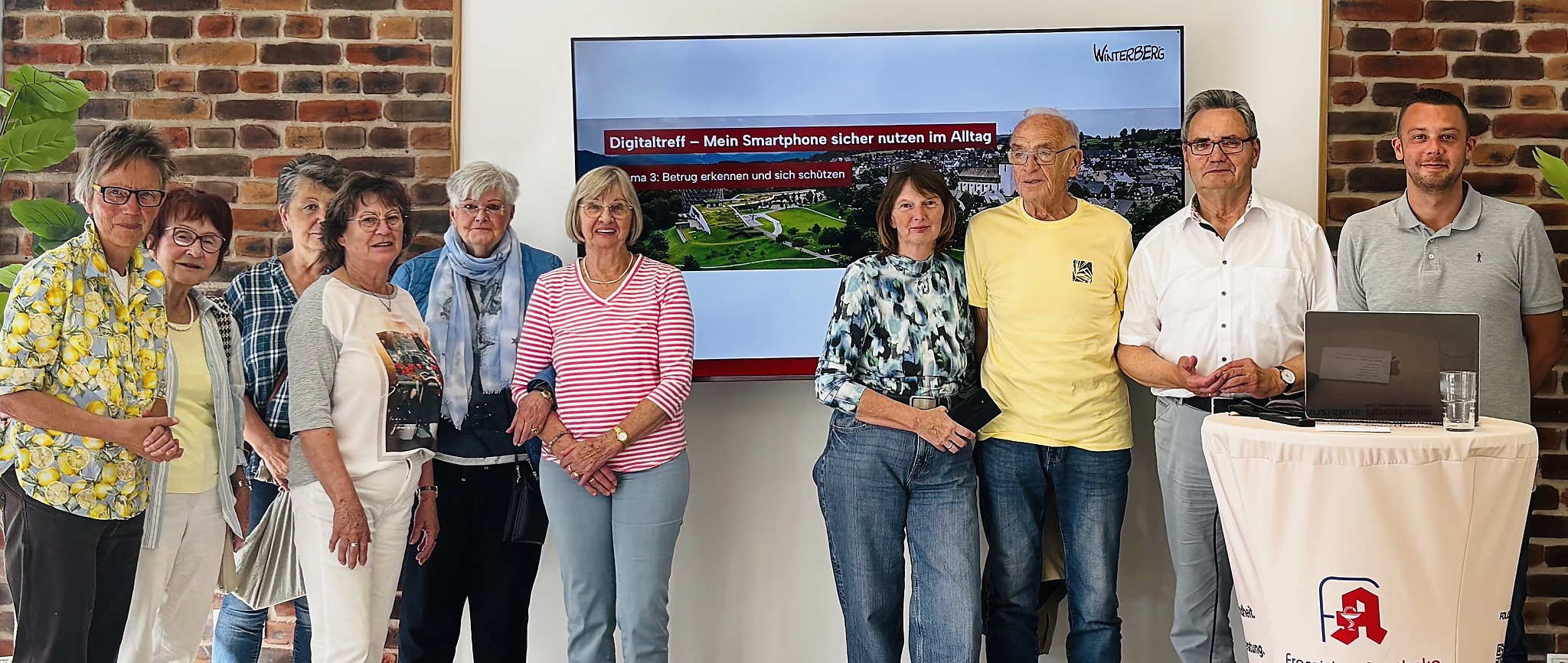
Teilnehmer beim „Digitaltreff“ im Schulungsraum der Franziskus-Apotheke – rechts im Bild: Walter Hoffmann bedankt sich bei Hassan Abou-El-Ella. (Pressefoto)
Moderne Technologien, das Internet und elektronische Geräte prägen heute unseren Alltag. Sie beeinflussen, wie wir kommunizieren, lernen, arbeiten, einkaufen und unsere Freizeit gestalten. Sie verändern damit auch unser Zusammenleben und den Umgang mit Informationen.
(Pressemitteilung Seniorenbeirat)
Auch die Künstliche Intelligenz (KI) eröffnet neue Möglichkeiten, wirft zugleich aber neue Fragen zu Verantwortung, Datenschutz und einem menschlichen Umgang mit Technik auf.
Gerade für die ältere Generation ist der Erwerb bzw. die Erweiterung digitaler Kenntnisse deshalb besonders wichtig. Digitalität kann mehr Selbstständigkeit und gesellschaftliche Teilhabe ermöglichen, etwa durch Videoanrufe mit der Familie.
Abfalleimer am Rundweg durch das Naturschutzgebiet Südlicher Priwall (foto: zoom)
Gestern sind wir bei Sturm, Gewitter und heftigen Regenschauern ins Sauerland zurückgekehrt. Welch‘ ein Empfang!
Heute Morgen sieht die Lage schon wesentlich entspannter aus. Momentan scheint sogar die Sonne und die Herbstblätter funkeln im Licht.
Die erste Ladung Urlaubswäsche ist bereits gewaschen und hängt zum Trocknen an der Leine. Jetzt muss im Kopf aufgeräumt werden. Siedlinghausen, Hamburg, Travemünde, Kassel… überall interessante Details und Eindrücke. Parallel zu unseren Spaziergängen, Radtouren und Begegnungen mit alten Freund*innen und Verwandten drehte sich die große Weltpolitik weiter.
Serbien und Brasilien sind weit voneinander entfernt. In dem einen europäischen Land krallte sich ein Autokrat an die Macht, in Südamerika wollte der Sohn eines rechtsradikalen Autokraten mit Hilfe von Meta, Musk und Trump an die Fleischtöpfe der Macht. Die Wahlergebnisse habe ich erleichtert zur Kenntnis genommen. Während Vucic seine Niederlage zügig eingeräumt hat, scheint Bolsenaro das Trump-Playbook von der gestohlenen Wahl durchspielen zu wollen.
Erste-Hilfe-Kurs – Warum ist eine Auffrischung für Senior*innen so sinnvoll?
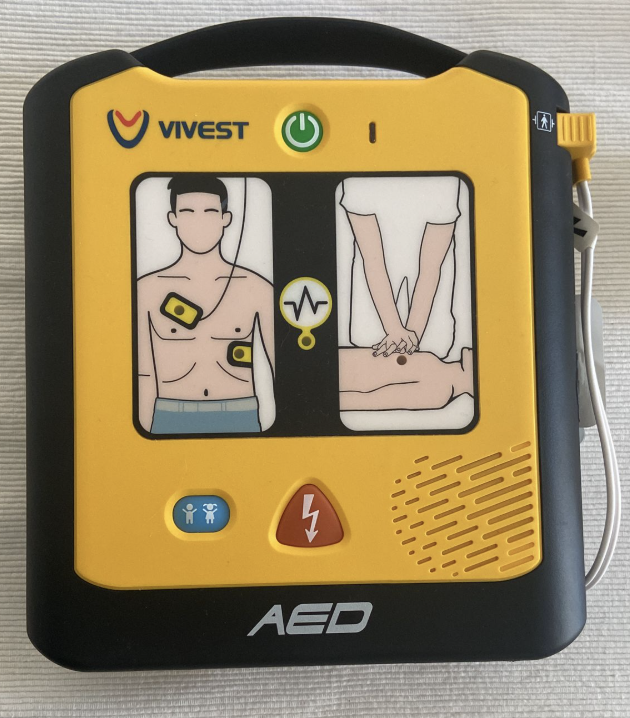
Moderner AED Automatisierter externer Defibrillator. Im Frühjahr 2027 soll über den Winterberger Seniorenbeirat der Einsatz dieses lebensrettenden Gerätes geschult werden (s.u.). (Bild: Wikimedia)
Der 3. Erste-Hilfe-Kurs für Senior*innen (kompakt an zwei Nachmittagen) konnte vor kurzem mit 15 Personen abgeschlossen werden. Zunächst wurde ganz allgemein das Vorgehen bei verschiedenen Notfällen besprochen.
(Pressemitteilung Seniorenbeirat Winterberg)
Bei vielen Teilnehmer*innen liegt der letzte Erste-Hilfe-Kurs schon viele Jahre zurück. „Was man vor Jahren gelernt hat, gerät aber leicht in Vergessenheit“, so ein Kursteilnehmer.
Deshalb ist wichtig, das Wissen in regelmäßigen Abständen aufzufrischen. Durch die Wiederauffrischung und durch praktische Übungen werden bestehende Unsicherheiten abgebaut und mehr Selbstvertrauen aufgebaut.
Das wichtigste Grundprinzip ist bei einem Verkehrsunfall oder häuslichen Notfall die Ruhe zu bewahren und besonnen zu handeln, sowie keine Panik und Hektik aufkommen zu lassen.
Forst- und Naturschutzbehörde stimmen sich im gemeinsamen Verfahren ab
Im Rahmen der Errichtung des Windparks Remblinghausen-Süd wird der Rückbau der asphaltierten Zuwegung zur Windenergieanlage im Bereich Goldener Strauch südlich von Meschede-Remblinghausen erfolgen. Dies teilen der Hochsauerlandkreis sowie Wald und Holz NRW mit. Ein entsprechender Bescheid ist an den Windkraftprojektierer zugestellt worden.
(Pressemitteilung HSK)
Genehmigung erteilt mit Rückbauverpflichtung
Neben der Bewertung der Forstbehörde aus forstrechtlicher Sicht sind im nun abgeschlossenen Genehmigungsverfahren auch die naturschutzrechtlichen Anforderungen der Unteren Naturschutzbehörde in die abschließende Entscheidung miteinbezogen worden. Im Ergebnis steht nun fest, dass für die ungenehmigte asphaltierte Teilstrecke eine Rückbauforderung in den Bescheid an den Windkraftprojektierer aufgenommen wird.
‘Lowest possible’ 1.5°C overshoot scenario limits peak warming around mid-century to 1.7-1.8°C
Emissions cuts of 18% by 2030, 45% by 2035 needed for this scenario, alongside increasing CO2 removal throughout the century
Advances in renewables, climate policies have delivered real emission reductions across countries and sectors, but massive global scale-up required to get on track
Mitmachen! Es ist noch nicht zu spät, um für das Klima aktiv zu werden. (Logo der Winterberger Klimagruppe)
Nairobi, 21 October 2026 – With global temperature rise set to exceed 1.5°C above pre-industrial levels, urgent and stringent cuts to greenhouse emissions are needed to minimize the magnitude and duration of overshoot and return to 1.5°C by the end of the century, a new UNEP report finds.
(Pressemitteilung UN, eine maschinelle Übersetzung findet ihr am Ende des englischen Textes)
The Emissions Gap Report 2026: The Point of Return looks at a ‘lowest possible’ 1.5°C overshoot scenario, in which peak warming by around the middle of the century is limited to 1.7-1.8°C and global temperature rise is returned to or below 1.5°C by 2100, with about a 50 per cent chance.
To get onto this pathway, global greenhouse gas (GHG) emissions would have to be reduced by 18 per cent by 2030, 45 per cent by 2035 and 69 per cent by 2040, all relative to 2025 levels. By contrast, the full implementation of Nationally Determined Contributions (NDCs) would only reduce emissions by 5-8 per cent by 2030 and 11-15 per cent by 2035, relative to 2025 levels. This implies average annual reduction rates of 5.7 per cent for 2025-2035, higher than the old Sixth Assessment Report (AR6) pathways laid out by the IPCC, which required annual reduction rates of about 5 per cent.
Zum Verfasser: Egon Spiegel, Prof. Dr. theol. habil. Prof. h. c., Diplomtheologe, Diplompolitologe, ausgebildeter Pastoralreferent, ehemaliger Inhaber des Lehrstuhls für Praktische Theologie an der Universität Vechta, gegenwärtig Advisory Professor am UNESCO-Lehrstuhl für Peace Studies der Nanjing University in Nanjing/China, diverse Lehraufträge und Gastprofessuren, international vielfältig vernetzt, zahlreiche friedenswissenschaftliche Publikationen. – Website: www.egon-spiegel.net
Eine Gesellschaft, die sich verteidigt, ohne töten zu wollen und ohne das eigene Land durch (Bürger-)Krieg ruinieren zu lassen – das ist kein weltfremder Wunsch, sondern Gegenstand einer seit Jahrzehnten erforschten und historisch vielfach erprobten Konzeption. Dies ist das Thema meines neuen Buches „Gewaltfreie Soziale Verteidigung“https://www.lebenshaus-alb.de/magazin/015622.html, dem dieses Kapitel zu „Harten Fragen“ der gewaltfreien Alternative zum „Programm Krieg“ entnommen ist.
(Autor: Egon Spiegel)
1. Der Knackpunkt: Kollaboration
Jedes Verteidigungskonzept hat eine Stelle, an der es zu brechen droht. Bei der militärischen Verteidigung ist es die Eskalation. Der Verteidiger kann gezwungen sein, zu Mitteln zu greifen, die das zerstören, was er schützen will. Bei der Gewaltfreien Sozialen Verteidigung (GSV) ist es die Kollaboration.
Diese Verteidigung beruht darauf, dass dem Besatzer die Mitwirkung entzogen wird. Wer mitwirkt, macht ihn handlungsfähig und fällt zugleich denen in den Rücken, die verweigern. Kollaboration ist deshalb nicht nur ein moralisches Problem. Sie ist der militärisch entscheidende Angriffspunkt. Ein Besatzer wird alles daransetzen, sie zu erzeugen.
1.1 Kollaborationsbereiche
Er braucht nicht die Zustimmung der Mehrheit. Er braucht einige wenige an den richtigen Stellen: einen Bürgermeister, der die kommunale Politik und Administration bestimmt; einen Polizeichef, der die Anweisungen von oben umsetzt; einen Schulleiter, der nach vorgegebener Ideologie unterrichten lässt; einen Betriebsleiter, der für eine reibungslose Produktion sorgt; einen Beamten, der die Vorschriften des Besatzers befolgt.
Mit einer Handvoll solcher Personen lässt sich eine Marionettenverwaltung errichten, die den Anschein von Normalität erzeugt. Mehr braucht es oft nicht, denn der Anschein ist die eigentliche Währung, sowohl nach innen (das Leben geht ja weiter) als auch nach außen (so schlimm kann es nicht sein).
1.2 Kollaborationsmotive
Man kommt keinen Schritt weiter, wenn man Kollaboration allein als Charakterschwäche behandelt. Die Motive sind vielfältig, und die meisten sind menschlich verständlich.
Angst. – Wer aus Angst um sich, um die Familie, um die Kinder eine Unterschrift verweigert, riskiert seine Existenz. Wer sie leistet, riskiert zunächst nichts.
Not. – Wenn der Lohn nur noch aus einer Quelle kommt, ist die Verweigerung ein Luxus, den sich nicht alle leisten können. Kollaboration hat damit eine soziale Schlagseite. Wohlhabende können sie – eigentlich – eher vermeiden.
Karriere. – Besatzungen schaffen Vakanzen. Wer vorher nicht zum Zuge kam, kommt nun zum Zuge. Jetzt ist die Zeit für den Loser gekommen, für den schon in der Schule Gemobbten, für den Systemsprenger. Ihm bietet sich eine einmalige Gelegenheit, sich an jenen zu rächen, die ihn zuvor noch von oben herab behandelt haben. Erinnern wir nur an die charakterlichen Eignungen oder intellektuellen Kapazitäten der Gauleiter und Blockwarte. Hier ist eine der zuverlässigsten Triebkräfte für Kollaboration.
Geld. – Der Kauf von Zustimmung ist ein klassisches Instrument. Im Falle Grönlands stand eine Einmalzahlung von bis zu 100.000 Dollar pro Kopf im Raum – ein Angebot, das nichts anderes bezweckt, als Kollaboration auf breiter Basis zu erwerben. Man muss sich das durchrechnen: Bei rund 57.000 Menschen wäre das ein Bruchteil dessen, was ein militärisches Vorgehen kostete. Der Kauf eines Landes ist billiger als seine Eroberung.
Ideologie. – Es gibt immer Menschen, die die neue Ordnung wollen – aus Überzeugung, aus Ressentiment gegen die alte, aus Verachtung für die eigene Gesellschaft, aus Enttäuschung über das eigene Land und über das Wenige, das es für mich bereithält.
Gekränkte Zugehörigkeit. – Dieses Motiv wird am häufigsten übersehen und ist am folgenreichsten. Wo eine Minderheit sich im eigenen Land nicht ernst genommen, sprachlich zurückgesetzt, kulturell übergangen sieht, entsteht der Boden, auf dem Kollaborationsbereitschaft gedeiht. Der Besatzer muss dann gar nichts kaufen. Er muss nur anbieten, was der eigene Staat versäumt hat. Das ist der Grund, weshalb ich weiter unten für einen konsequenten Föderalismus plädiere: Er ist nicht nur eine Frage guter Verwaltung, sondern unmittelbar Verteidigungsvorsorge.
„Gute“ Gründe. – Der Arzt, der im Besatzungskrankenhaus bleibt, weil sonst niemand die Patienten versorgt. Die Beamtin, die im Amt bleibt, um Schlimmeres zu verhindern und um darüber informiert zu sein, was geplant ist. Der Bürgermeister, der verhandelt, um Deportationen abzuwenden. Diese Fälle sind real. Sie sind nicht dasselbe wie Verrat.
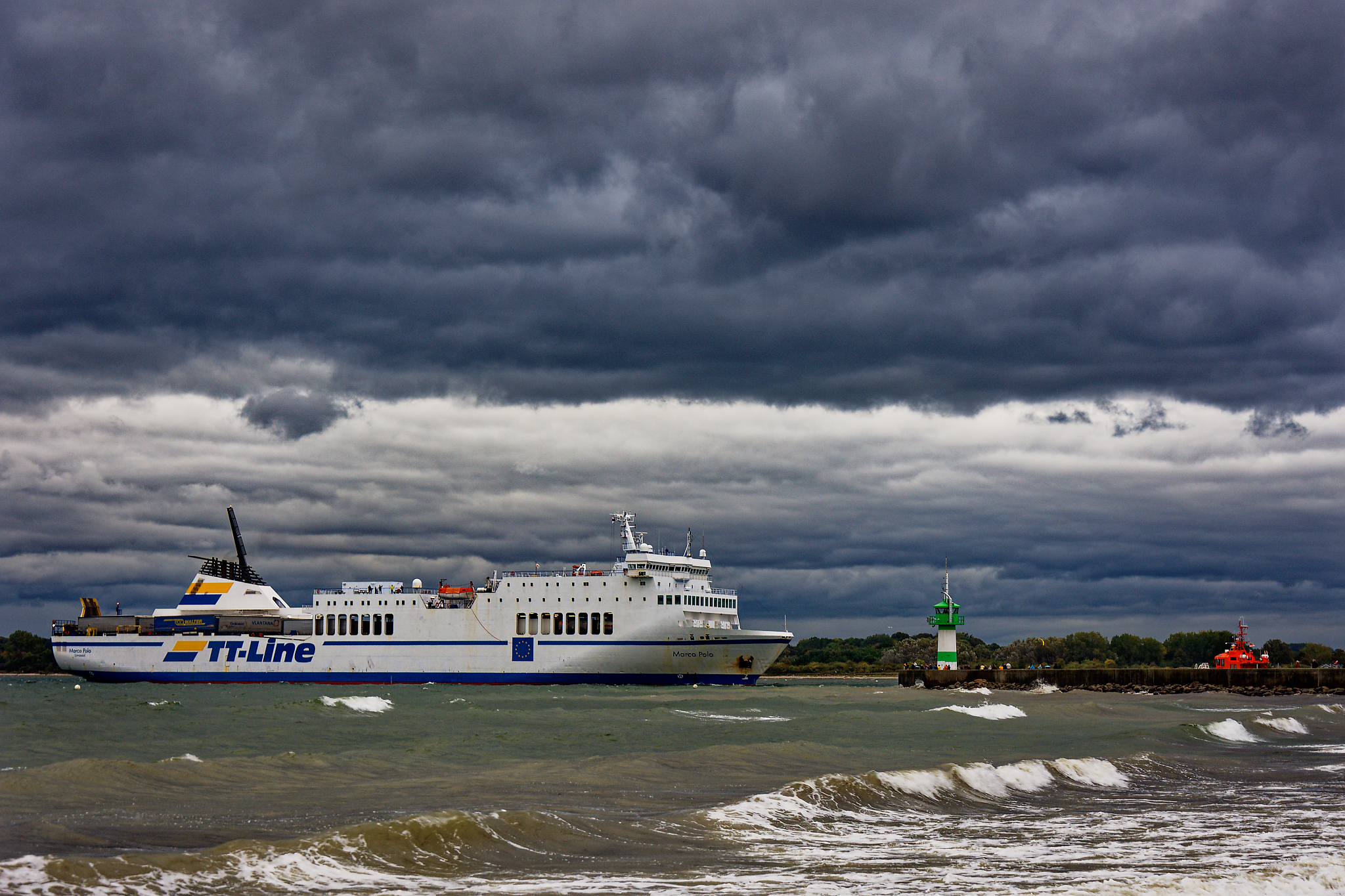
Solange die großen Schiffe ihre Abgase in Travemünde ausstoßen, wird der bekannte Ferienort in der Lübecker Bucht niemals den Titel „Bad“ bekommen, allerhöchstens in der englischen Übersetzung.
Für die Nacht war eine Sturmflut angekündigt, aber die gemessenen Pegelstände waren letztendlich nicht so hoch wie teilweise vorhergesagt. Jetzt: Lage entspannt, Pegel sinken.
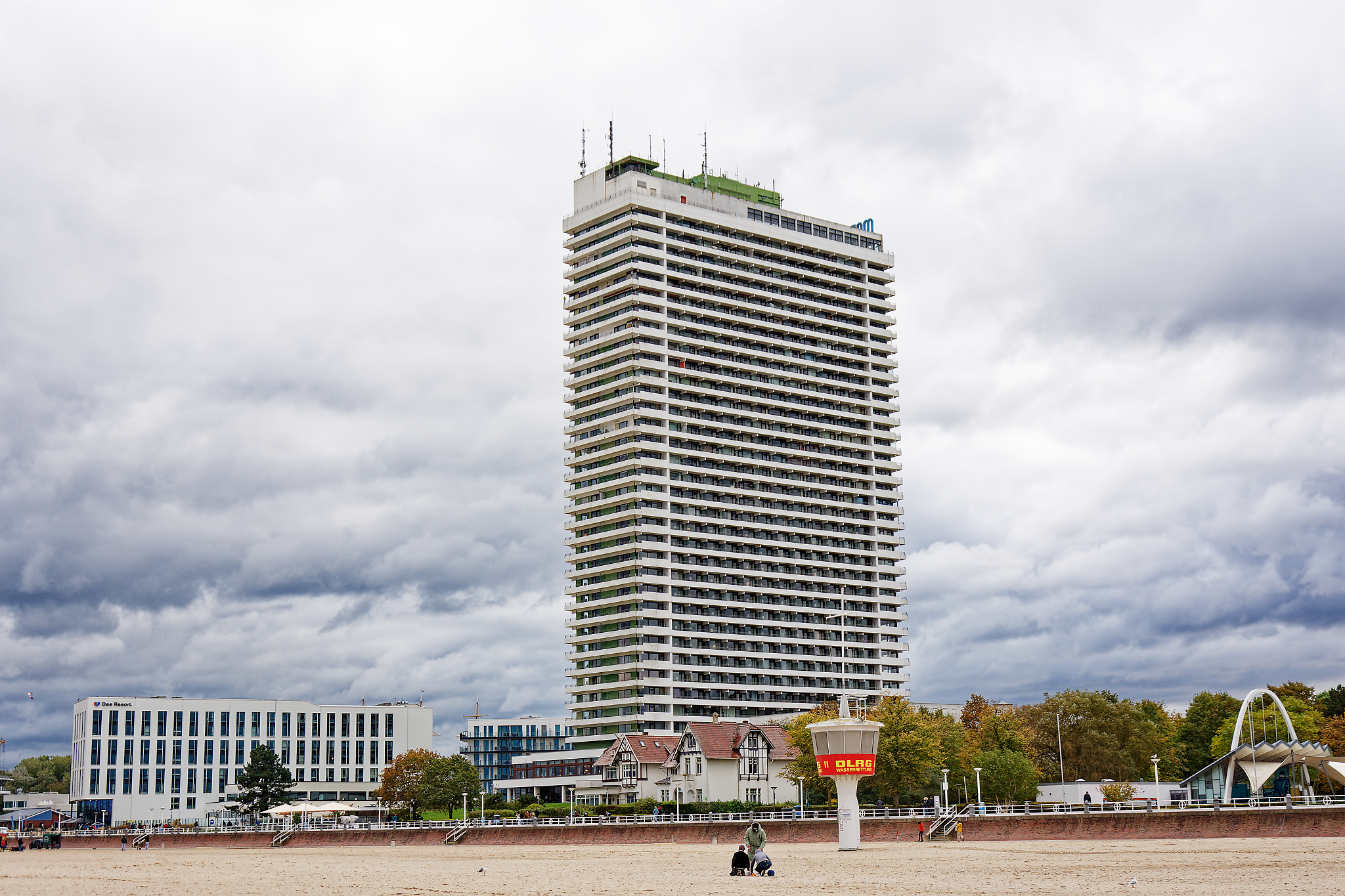
Das Frühschwimmen (flaches Gebäude links zwischen den beiden Hotels) ist ein Schnäppchen: 8,50 €.
Zu Fuß gehen ist auch nicht schlecht und preiswerter.
Dem Sturm standgehalten. Nicht umgefallen. (foto: zoom)
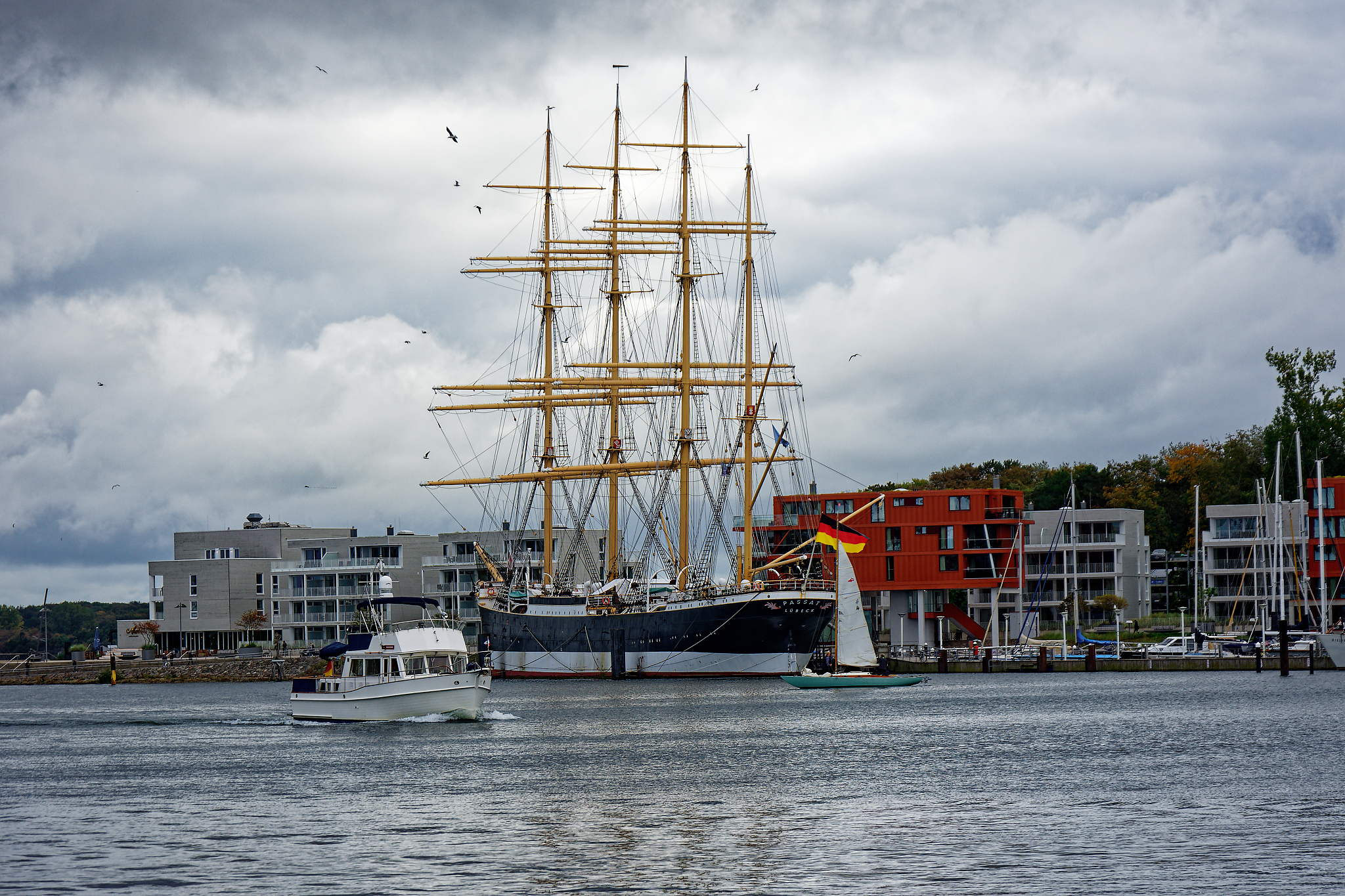
Beim Spaziergang warfen wir einen Blick auf die Passat (Museumsschiff) und die inzwischen mit hässlichen Gebäuden (Ferienwohnungen, Beton-Invest, Butiken) bebaute Wasserseite des Priwalls.
Blick zum Priwall (foto: zoom)
Wir werden trotzdem mit der Fähre hinüber fahren, denn das Hinterland ist stellenweise recht beschaulich.
Sofern Sie Ihre Datenschutzeinstellungen ändern möchten z.B. Erteilung von Einwilligungen, Widerruf bereits erteilter Einwilligungen klicken Sie auf nachfolgenden Button.
Einstellungen